11941 W Sunrise Blvd Plantation, FL 33323

Hi, my name is Dr. Saba Rizvi with My Dentist For Life, and today I'm going to be answering some common questions regarding oral cancer in hopes of giving you a better understanding of this topic.
What Is Oral Cancer?
Oral cancer is a type of cancer that develops in the tissues of the mouth. It could occur in the lip, the tongue, the gums, the cheek, the palate, underneath the tongue, and the back of the throat.
What Causes Oral Cancer?
The causes of oral cancer include smoking, increased consumption of alcohol, the human papillomavirus, and exposure to the sun.
What Are the Early Signs of Oral Cancer That Patients Should Look Out For?
The early signs of oral cancer that patients should watch for are any white or red patches, like a sore that does not heal.
What Are the Most Common Symptoms of Oral Cancer?
The most common symptom of oral cancer is no symptoms, which is why it's crucial to have your oral examinations or annual checkups. This way, we can conduct that visual inspection.
Are There Specific Areas of the Mouth Where Oral Cancer Is More Likely to Appear?
There are specific areas of the mouth where oral cancer is likely to appear, such as the tongue, the floor of the mouth, the palate, and the back of the throat.
Can a Lump on the Gum Be a Sign of Oral Cancer?
Yes, a lump on the gum can be a sign of oral cancer.
What Is the Connection Between HPV and Oral Cancer?
HPV and oral cancer have a common strain linked to them, especially in younger non-smoking individuals, and it can be spread through skin-to-skin contact.
How Is Oral Cancer Diagnosed During a Dental Visit?
Oral cancer is not diagnosed during a dental visit without a biopsy. However, we perform a visual inspection and also use a fluorescent light to look for abnormal changes underneath the tissue.
What Does an Oral Cancer Screening Involve?
An oral cancer screening is a non-invasive visual inspection. We also use a special tool, a fluorescent light, to see if there are any abnormal changes underneath the tissue.
What Are the Current Treatment Options for Oral Cancer?
The current treatment options for oral cancer in my office involve referring the patient to an oral surgeon for a biopsy.
How Important Is Early Detection When It Comes to Oral Cancer Outcomes?
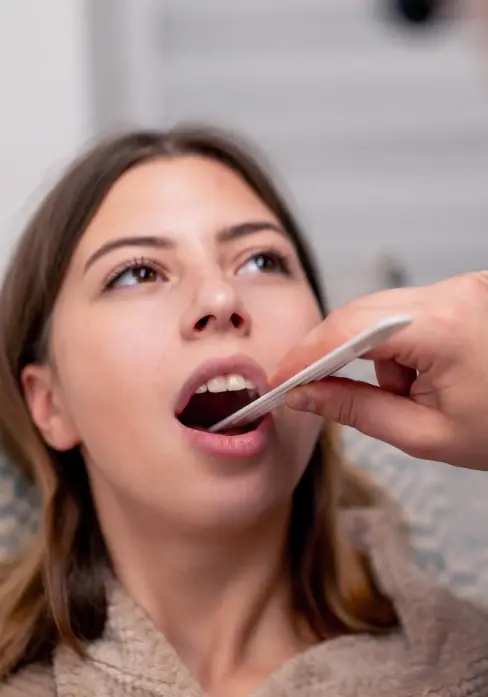
Early detection is crucial in terms of oral cancer. The earlier we detect it, the better, as the condition is localized and easier to treat.
I hope I was able to answer some of the most commonly asked questions regarding oral cancer. If you have any additional questions or want to take action, please give us a call at (954) 578-6869. We are here to help.
Every time we provide care, we’re observing many different aspects of your overall health. Most people are surprised at the large amount of surface area that lines the mouth. While this lining repairs itself quickly, it is susceptible to changes that may require monitoring or further evaluation.
Oral cancer can afflict anyone although tobacco users put themselves at significantly higher risk than non-users. Chewing tobacco contains up to 3000 different chemicals, including the same compounds used in pesticides and embalming fluid. Cellular changes below the surface aren’t always detectable until they’ve advanced to a critical stage.
However, early detection and treatment of oral cancer significantly increase the chance of a positive outcome. The American Cancer Society reports that about 7,000 deaths result from oral cancer out of 30,000 cases diagnosed annually. If My Dentist For Life Of Plantation suspect any unusual changes in your mouth tissue, we may suggest a biopsy and microscopic analysis by a qualified lab.
Many other non-cancerous changes can occur in your mouth’s tissue, from oral warts to autoimmune lesions. Dr. Rizvi draws on her background in oral pathology to determine if any abnormalities should be removed or simply monitored.
As a side note, we understand tobacco holds powerful addictive powers over many health-conscious people. If you’re determined to quit, we want to be a supportive partner in your efforts. Talk to your hygienist or Dr. Rizvi about strategies and resources for kicking the habit.
Welcome to Our Dental Family
My Dentist For Life Of South Florida is accepting new patients of all ages. We offer a full suite of services, including breathtaking, customized smile makeovers. Call today to schedule an appointment!