11941 W Sunrise Blvd Plantation, FL 33323

There is growing interest in the development of quick, chair-side tests that use saliva or other oral fluids for disease detection. This method of sampling oral fluids instead of blood or urine is appealing because it can detect a variety of biomarkers, including proteins, electrolytes, hormones, antibodies, and DNA/RNA.
Now, a simple oral DNA test can identify the exact type and amount of disease-causing bacteria in your mouth. If left untreated, these bacteria can lead to periodontal disease, tooth loss, and increase your chances of developing other systemic diseases like heart disease, stroke, and diabetes, among others.
There Are Several Benefits to Utilizing Oral Fluid For Disease Diagnostics, Such as:
- Access made easy
- Noninvasive collection of samples
- Patients are increasingly accepting it
- Quick outcomes
- Decreased chances of spreading infectious diseases
This New Test is for People With Gingivitis or Periodontal Disease Symptoms
The symptoms to watch out for are bleeding gums, bad breath, red or inflamed gums, and loss of bone around your teeth. This test is also recommended before undergoing major dental procedures or certain surgeries like heart surgery or joint replacements. To perform the gentle oral rinse procedure, simply swish a small amount of sterile saline in your mouth for about 30 seconds. The sample will then be sent to OralDNA Labs for processing.
Advanced Treatment Planning is Available
The lab report we receive will identify the bacteria linked to your gum infection, enabling us to create a more potent and efficient treatment plan. With this advanced technology, My Dentist For Life Of South Florida can now address the root cause of the infection rather than just the symptoms. Consequently, our aim is to minimize your overall bacterial risk for disease advancement. Treating periodontal disease early and with targeted methods can prevent irreversible damage.
Enhanced Care
We not only offer a bacterial DNA test, but also a genetic susceptibility test to determine if your genetic makeup increases your risk for gum tissue infections. This test will help us optimize our therapy and care program. It is recommended to have a Disease Susceptibility Gene Test conducted as prevention is better than cure. This test can assess the condition of your respiratory, cardio-cerebral vascular, digestive, urinary/blood/endocrine systems, as well as male and female related diseases. If you or a loved one needs either of these tests, please call for more information. Our mission is to provide you with the most advanced oral-systemic healthcare available.
HR5 Saliva Testing / Saliva Microscopy
An ever-growing body of research indicates a link between gum infections and systemic diseases, including cardiovascular disease, colorectal cancer, diabetes, gastrointestinal disorders, insulin resistances, Alzheimer’s, and adverse pregnancy outcomes.
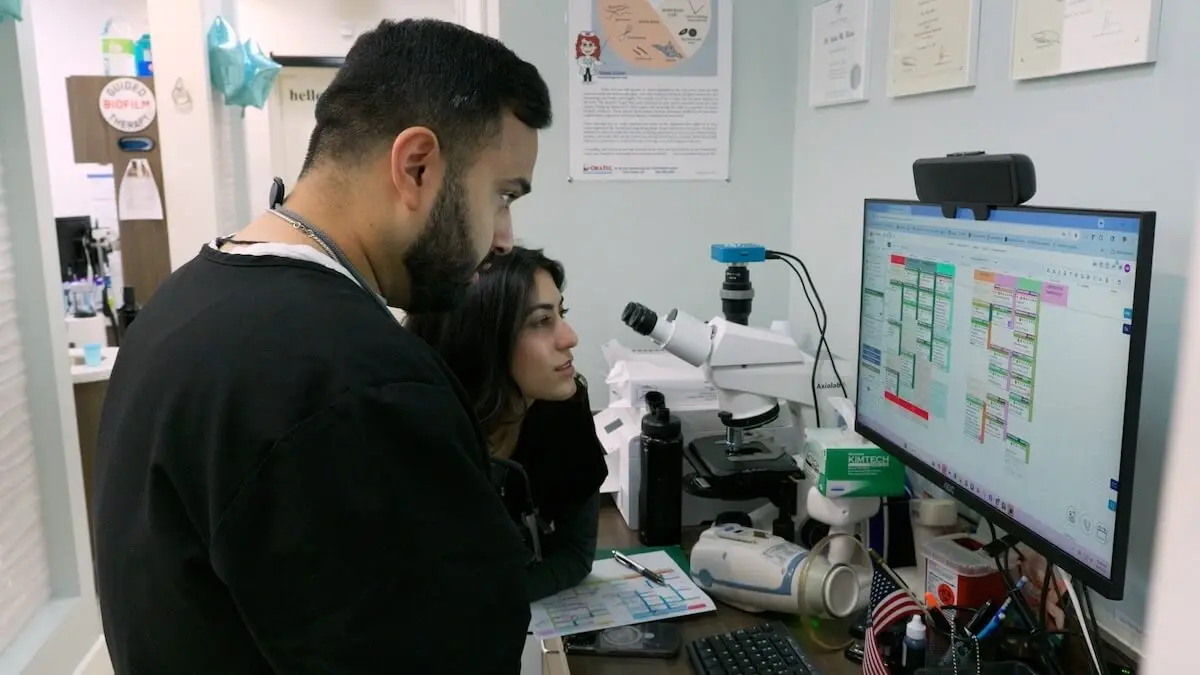
One way to discover the pathogens present in your mouth is to take a sample of your biofilm and review it under a microscopy to differentiate the good bacteria from the harmful bacteria.
At My Dentist For Life, we offer HR5 high risk pathogen saliva testing, which tests for the 5 bacterial pathogens most critical and highest risk for infection (viruses, bacteria, fungi, protozoa, and worms).
The presence of periodontal (around the tooth) pathogens in the mouth could affect your immune response beyond just your mouth. Swallowing this bacteria and chewing when gums bleed can introduce pathogens into the gut and blood to promote systemic conditions.
High Risk Bacteria
- Spirochetes can burrow into the gum tissue, enter the bloodstream, and travel to other parts of the body. There are over 57 species of spirochetes found in the mouth, and these bacteria are one of the main causes of gum disease and can travel to the brain.
- Gliding rods are hardy bacteria that may grow on bone and eventually destroy it.
- Amoeba is a protozoan found in 95% of gum disease patients.
- Trichomonas is a parasite capable of destroying healthy cells.
Welcome to Our Dental Family
My Dentist For Life Of South Florida is accepting new patients of all ages. We offer a full suite of services, including breathtaking, customized smile makeovers. Call today to schedule an appointment!